
Emergency DentistryIn North Hollywood
Dental emergencies can happen when you least expect them. When they do, getting care quickly can make all the difference. If you are experiencing severe tooth pain, a dental injury, or something just does not feel right, our team at Modern Smiles is here to help. Contact us right away so we can relieve your discomfort and protect your smile.
Do I need emergency dental care?
It is not always obvious when a dental issue requires urgent attention. However, if you are dealing with intense pain, swelling, a sudden injury, or damaged dental work like a loose crown or filling, it is best to contact us as soon as possible. Our team will listen to your concerns, help you understand what might be happening, and guide you on what to do next. We can also provide tips to help you stay comfortable until you are able to come in for treatment.
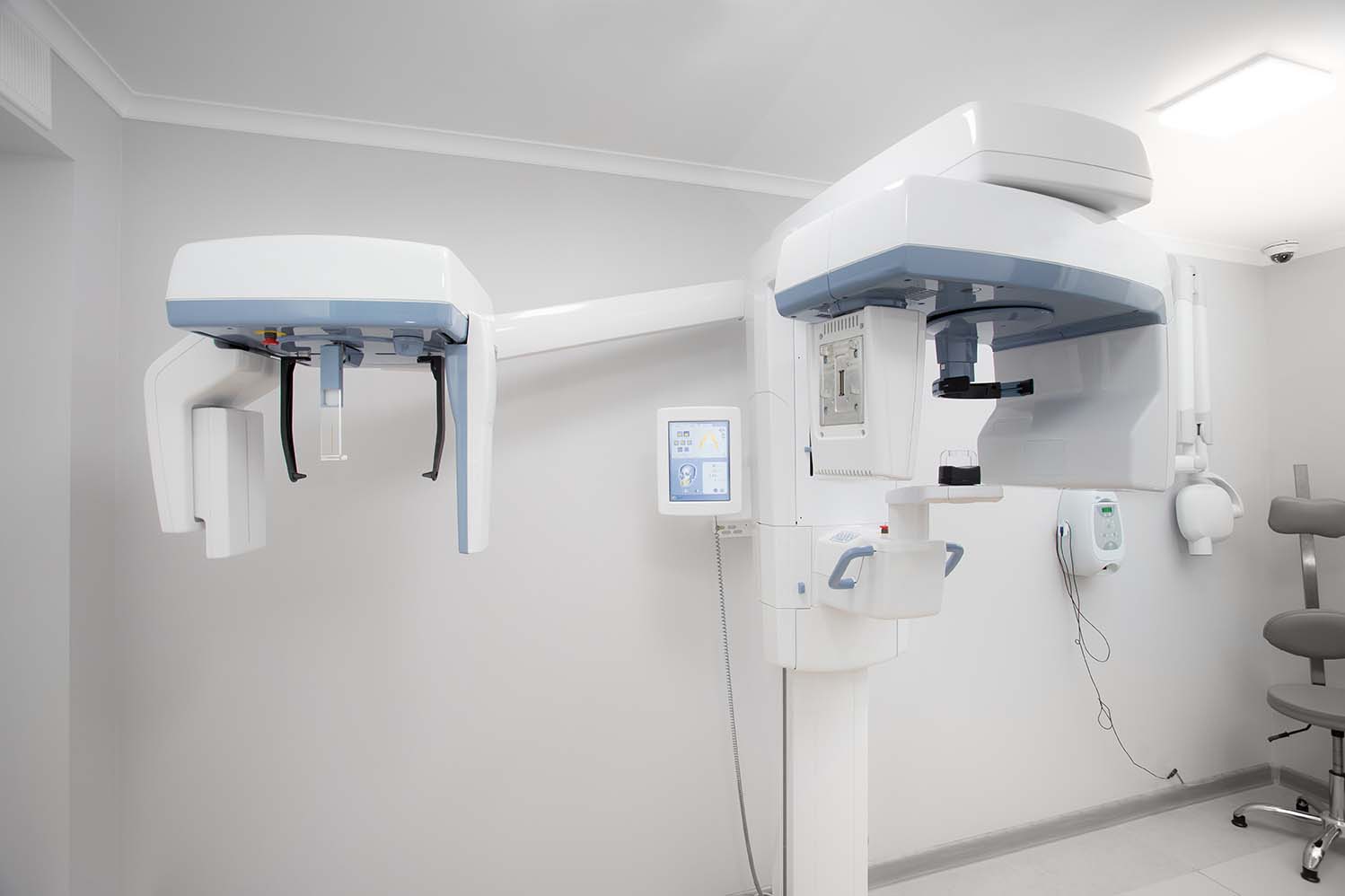
Digital X-Rays, iTero Scanning & 3D CBCT Imaging
Better diagnostics means better results. With our in-house CBCT scanner, digital X-rays, and iTero digital scanner, we can quickly and accurately assess your dental emergency and build a treatment plan right away, so you can relieve your dental pain and get back to your life.

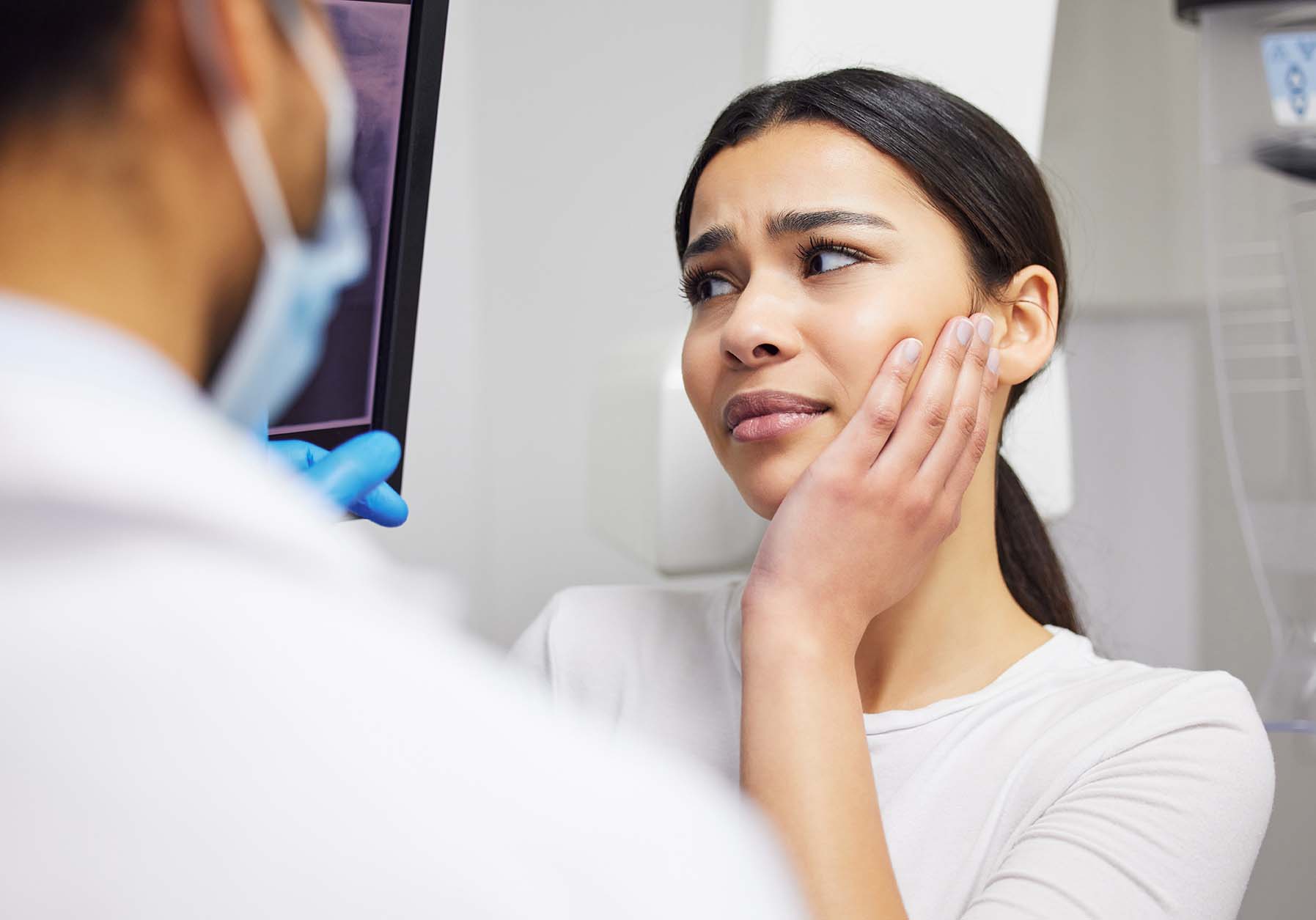
Find a solution to your dental emergency
No one plans to have a dental emergency, and that’s why we offer affordable emergency dental exams, so you don’t need to wait to get the care you need to relieve your dental pain.
FREE Emergency Consult
Problem-Focused Evaluation
Treatment Plan
Cost & Financing Options
The Benefits of Emergency Dentistry
Fast Relief From Pain
Severe tooth pain can make it difficult to focus on anything else. Emergency dental care allows us to quickly identify the cause of the problem and provide treatment that helps relieve discomfort as soon as possible.
Restore Your Smile
Dental injuries and infections can affect both the health and appearance of your smile. Emergency treatment can repair damage, restore function, and help you feel confident again. With same-day crowns and immediate implant placement, we can often restore the tooth, not just treat the pain.
Prevent Bigger Problems
Small dental issues can quickly turn into larger complications if they are ignored. Seeking emergency care early helps prevent infections, tooth loss, and other serious problems down the road.
Same-Day Appointments & Treatment
During a dental emergency, everything can happen so fast. If you need help right away, give us a call. We accommodate same-day appointments, and in most cases we can begin treatment the same day.
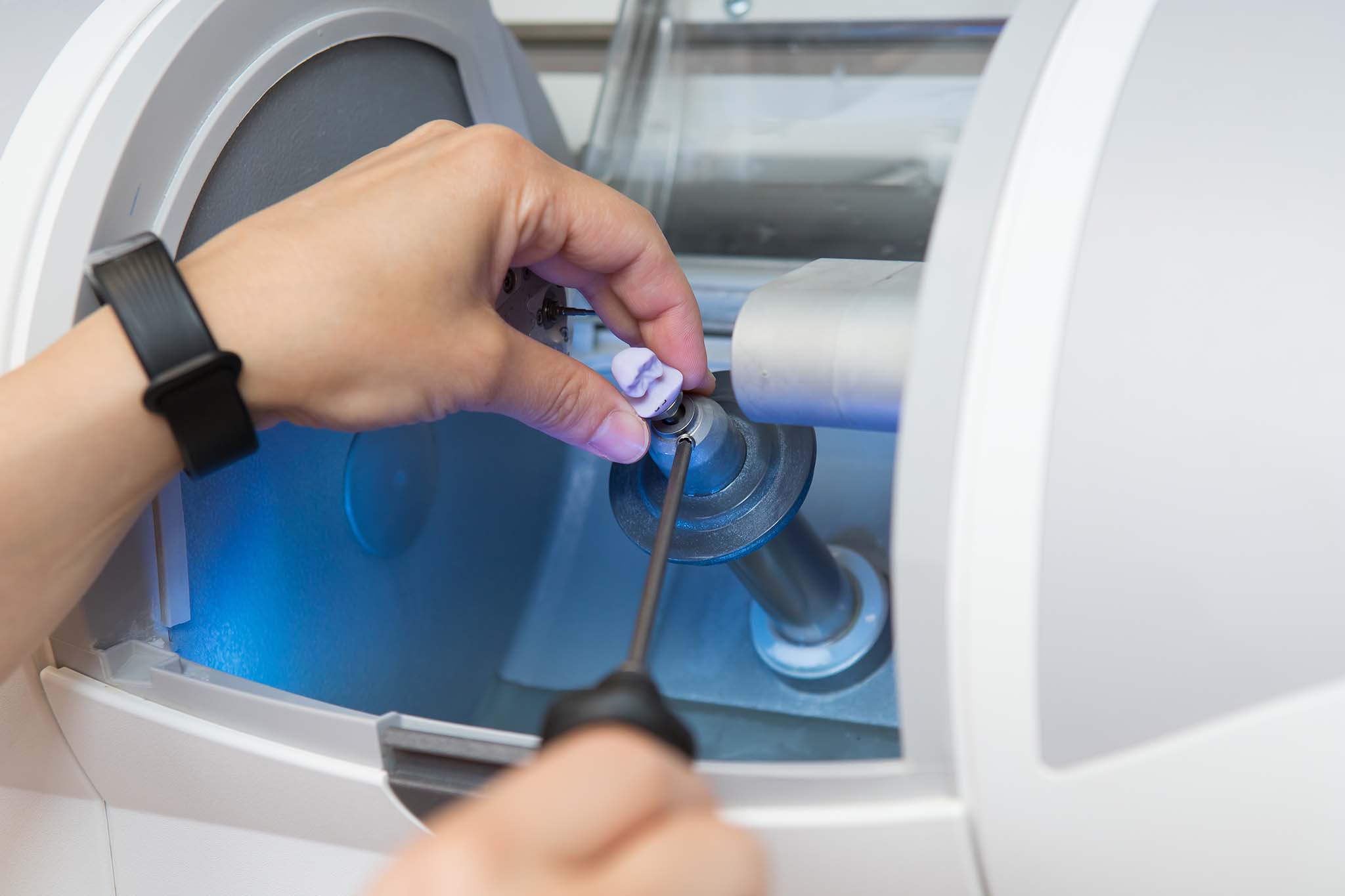
Same-Day Crowns
Broken, cracked, or lost a crown? With our in-office 3D-printed crowns, we can design and place a durable, natural-looking crown during a single visit, with no temporary and no second appointment.
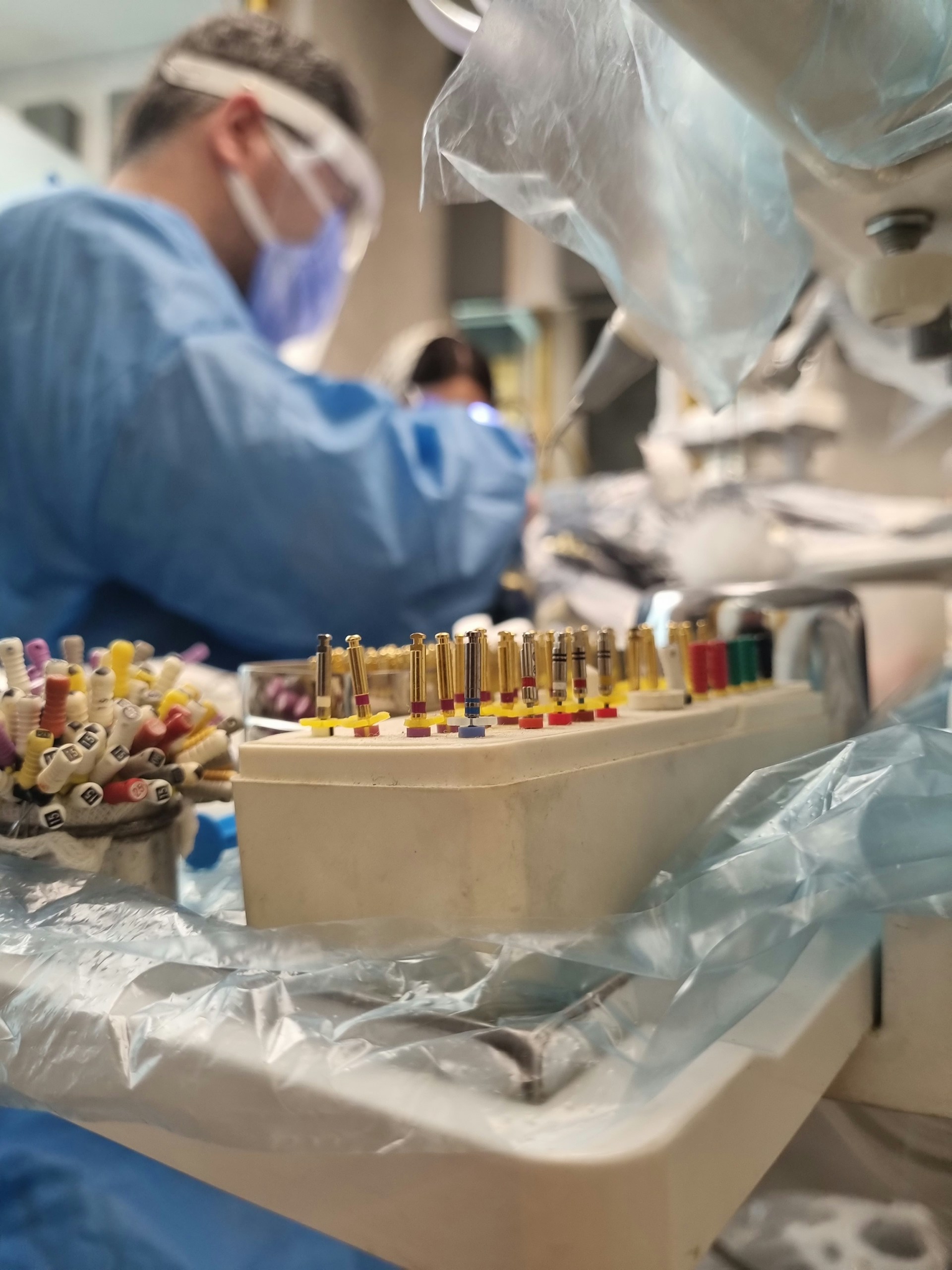
Immediate Implant Placement
If a tooth can't be saved, we don't just remove it and send you home with a gap. We can place a dental implant right after the extraction, so you can start restoring your smile sooner.
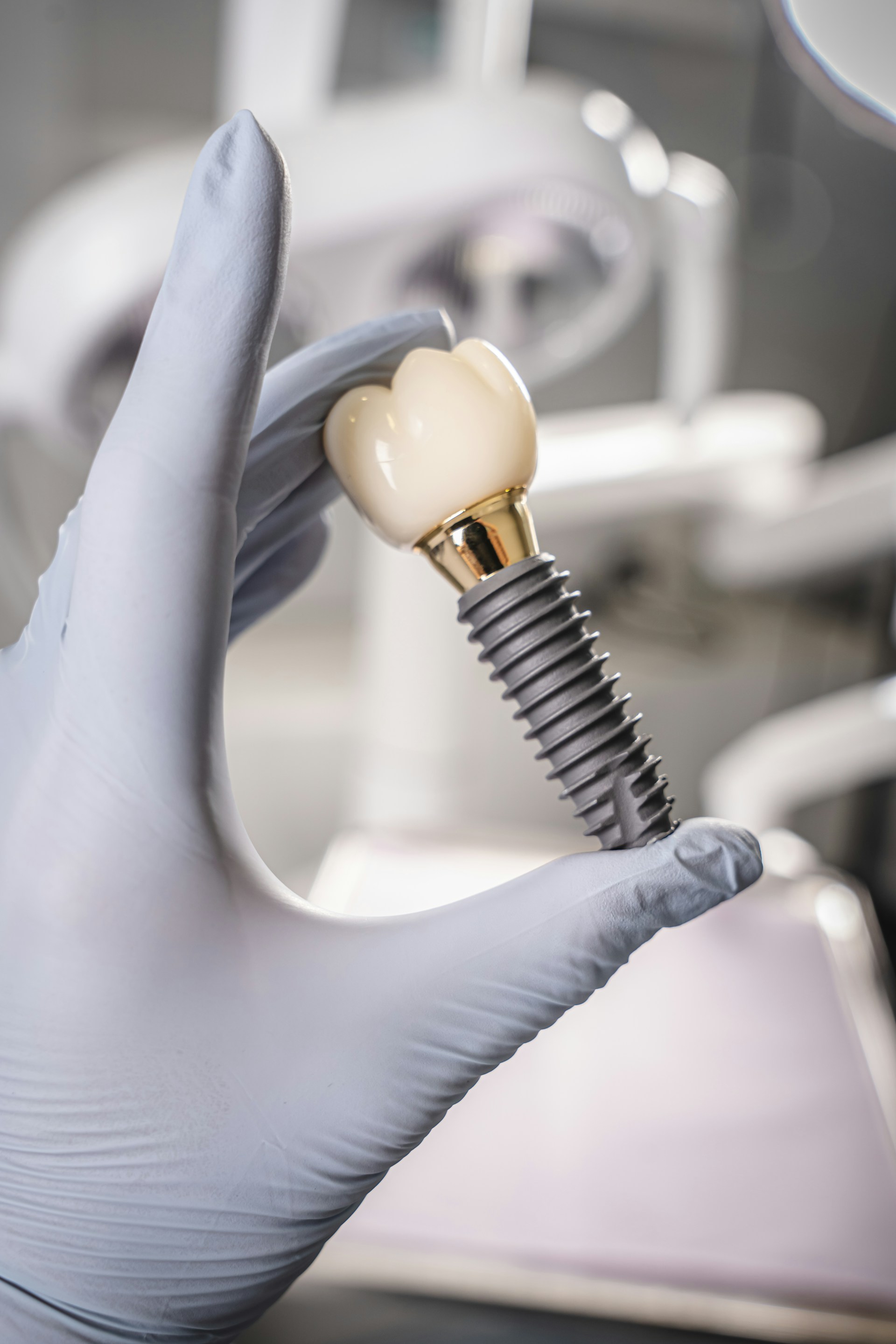
Complete Care Under One Roof
With a CT scanner and 3D-printed crowns in our own office, we can perform almost any emergency treatment in-house, without sending you to multiple offices while you're in pain.
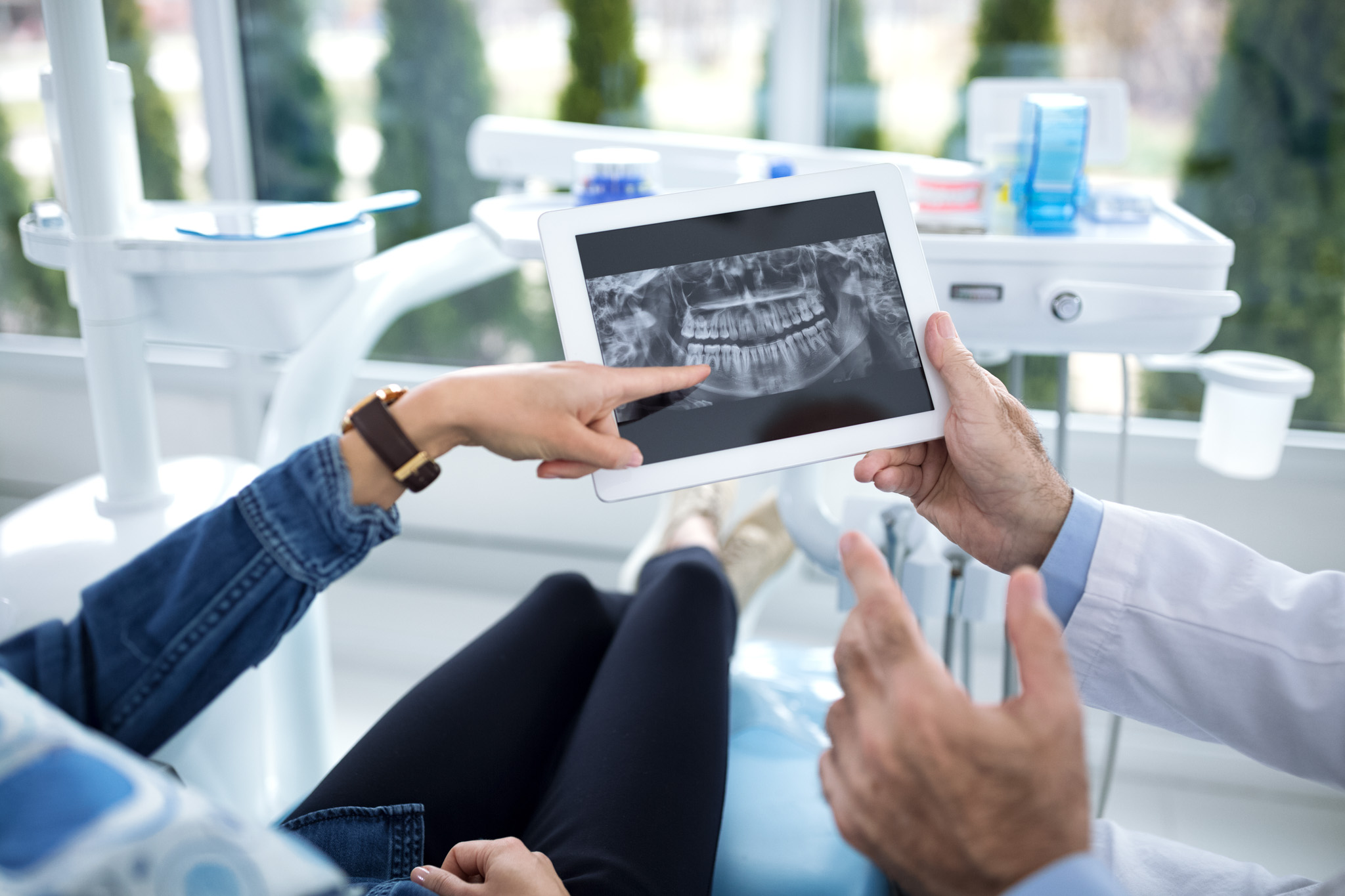
Problem-Focused Exams
When issues arise, our team can perform problem-focused exams (also known as limited exams) to address what's hurting or injured. This lets us focus on getting you out of pain and back to normal again.
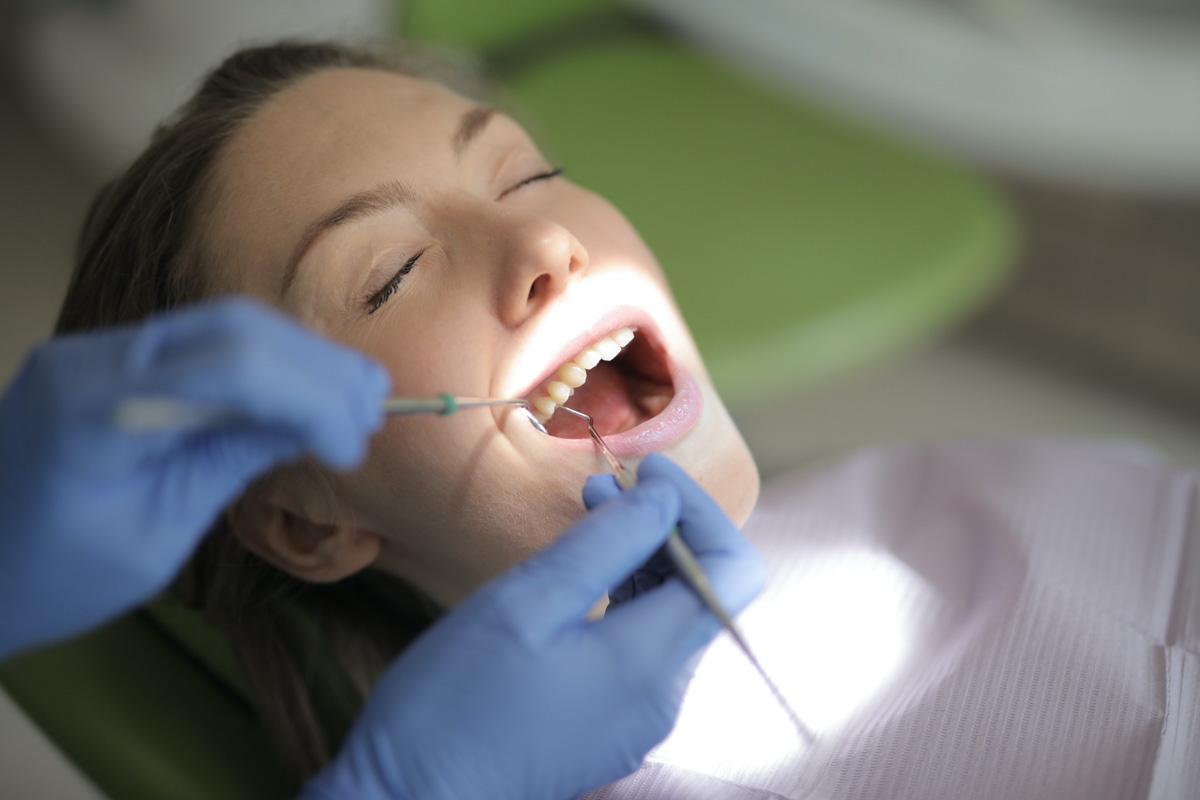
Saturday Appointments
Dental emergencies don't follow a set schedule. That's why we offer Saturday hours from 9:00 am to 2:00 pm. Don't wait until Monday to get the relief you deserve. Get in touch with us now and get your smile back in working order.
What do I do in a Dental Emergency?
Keep Calm & Reduce Bleeding
Dental emergencies can feel overwhelming, but staying calm helps you take the right steps. If there is bleeding, gently rinse your mouth with warm water and apply light pressure using sterile gauze or a clean cloth. Hold the pressure for about 10 to 15 minutes or until the bleeding slows. If a tooth has been injured, avoid touching or disturbing the area. Staying calm during these first moments can help you manage the situation until you receive professional care.
Control Swelling & Pain
Many dental injuries cause swelling or discomfort, but there are ways to manage these symptoms temporarily. Over-the-counter pain relievers like ibuprofen or acetaminophen can help reduce pain. Avoid aspirin because it can thin the blood and increase bleeding. You can also apply a cold compress or ice pack to the outside of your cheek in 10-minute intervals to help reduce inflammation and provide some relief while you wait for treatment.
Call Us Right Away
Once you have stabilized the situation, contact our office as soon as possible. Whether you are dealing with severe pain, broken dental work, or a knocked-out tooth, our team can help determine the urgency of the situation and guide you through your next steps. We accommodate same-day appointments, and with our in-house CBCT imaging and same-day crowns, we can often diagnose and treat the problem in one visit. Prompt treatment greatly improves the chances of saving your tooth and preventing further complications.
FAQs
Frequently Asked Questions
Check out these frequently asked questions, or call us to speak with our team.
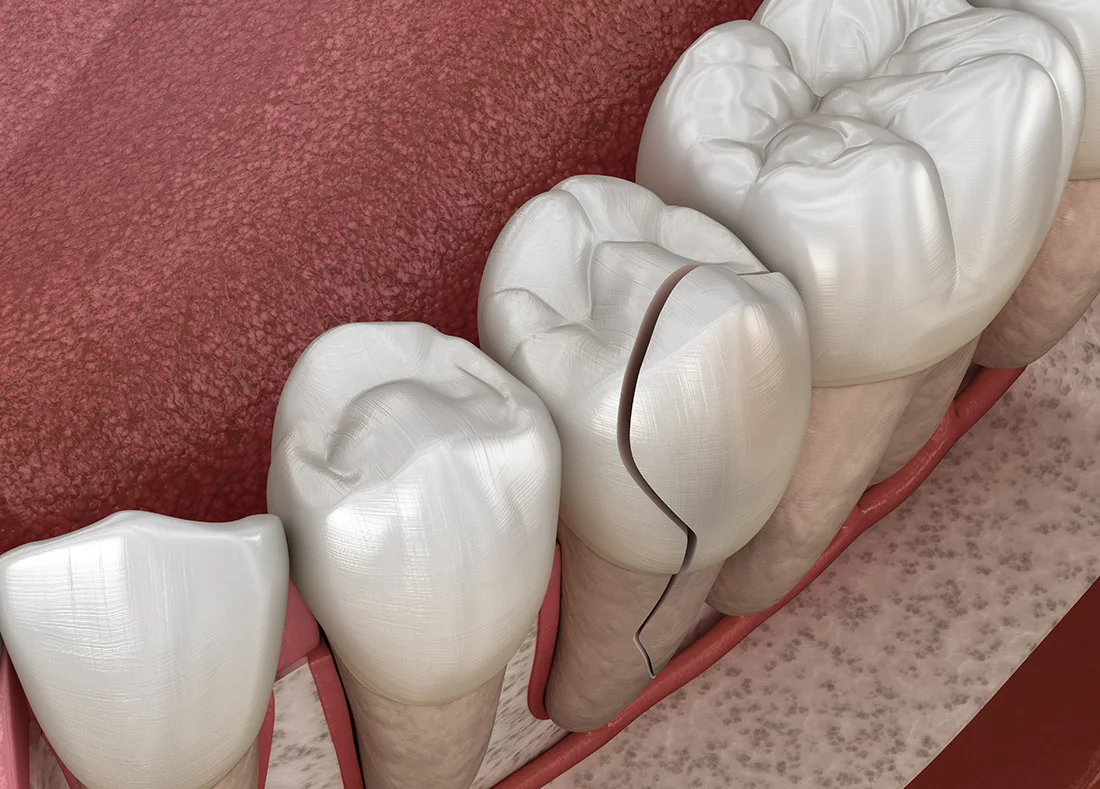
Even small chips or cracks should be evaluated by a dentist. Rinse your mouth with warm water and apply a cold compress to help reduce swelling. Avoid chewing on the affected side. If the damaged tooth has sharp edges that irritate your mouth, let us know so we can treat it promptly. Depending on the severity, treatment may involve dental bonding, a same-day crown, or another restorative solution.
If a crown, filling, or other dental restoration falls out, keep it safe and bring it with you to your appointment. Avoid chewing on that side of your mouth and stay away from very hot, cold, or sugary foods that could irritate the exposed tooth. Contact our office as soon as possible so we can repair or replace the restoration and protect the tooth from further damage. In many cases, we can create and place a new crown in the same visit.
Act quickly. A knocked-out tooth has the best chance of being saved if treated within an hour. Hold the tooth by the crown, which is the top portion, and rinse it gently with water if it is dirty. Try to place it back in the socket if possible without forcing it. If that is not possible, store the tooth in cold milk or saliva and bring it to your appointment. Avoid touching the root. The sooner you receive care, the greater the chance the tooth can be successfully reattached.
A persistent toothache that lasts more than a day or two can signal a deeper problem, such as infection or an abscess. You can temporarily relieve discomfort by rinsing with warm salt water, applying a cold compress, and taking over-the-counter pain medication. However, these measures only provide temporary relief. A dental exam is needed to identify and treat the underlying cause.
If a tooth becomes loose due to trauma or injury, quick action is important. Avoid touching, wiggling, or pressing on the tooth because this can worsen the damage. Contact our office immediately. In many cases, early treatment allows us to stabilize the tooth with a splint so it can heal and reattach to the surrounding bone and tissue.
Swelling, a bad taste in your mouth, or a pimple-like bump on your gums can signal an infection or abscess. Call our office right away, since infections do not go away on their own and can spread. In the meantime, rinse with warm salt water and use a cold compress on the outside of your cheek. If swelling spreads toward your eye or neck, or you have a fever or trouble breathing or swallowing, go to the nearest emergency room or call 911.