
Blog
Blog
Welcome to Modern Smiles
I've been practicing dentistry for over 15 years, and I still approach every patient the same way: as an individual with a specific situation, specific concerns, and a specific set of things they want from their dental care. No assumptions. No rushing through to the next appointment.


The Jaw Dysfunction You Might Not Know You Have
The problem with dental discomfort is that you can rarely find permanent relief from home. For instance, if you have a chronic toothache, then you might relieve it with an over-the-counter pain reliever or some other home remedy.
Read More

3 Questions You Should Ask About Dental Implants
With the exception of emergency situations, most cases of tooth loss are highly preventable. Yet, it still affects millions of people to varying degrees.
Read More
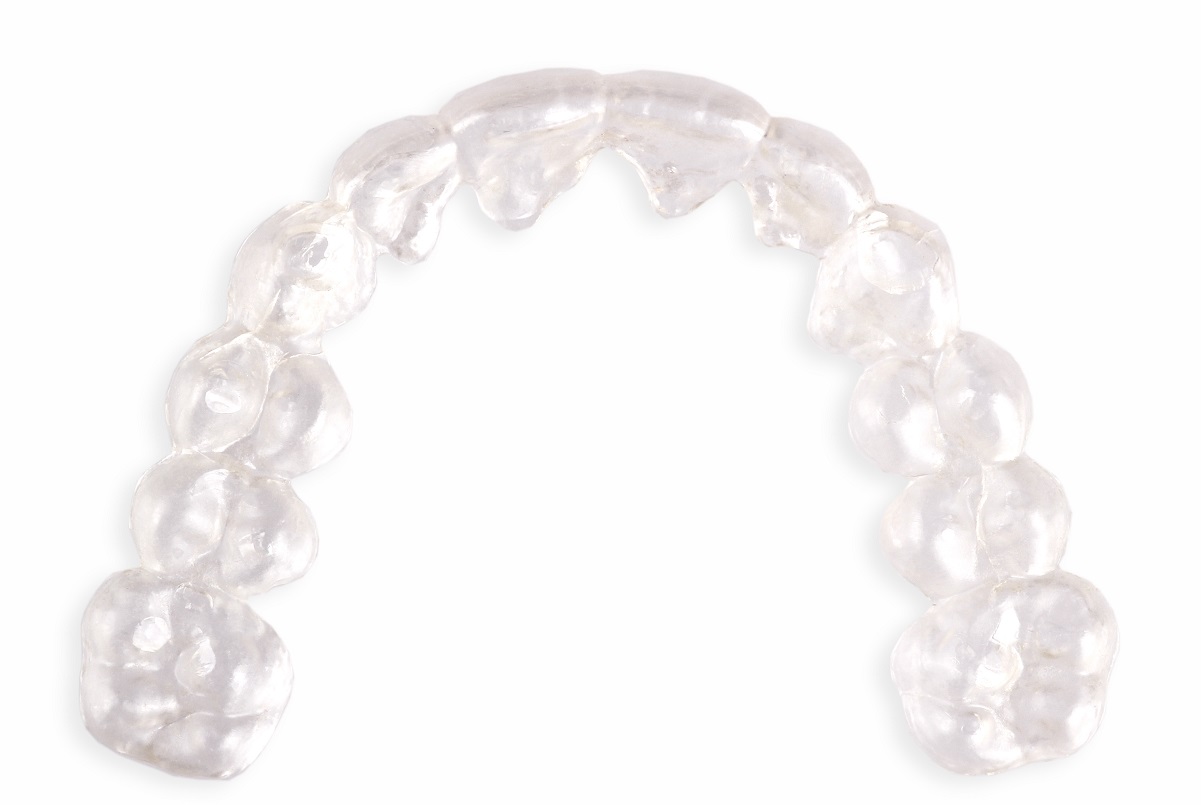
The Finer Points of Invisalign® Benefits
Invisalign® clear aligners are a more discreet and comfortable way to straighten crooked teeth compared to traditional braces, and as such, they come with a number of different benefits. The greatest of which, though, is the fact that patients who would normally skip orthodontic treatment out of fear of braces can now straighten their teeth without worrying about them.
Read More
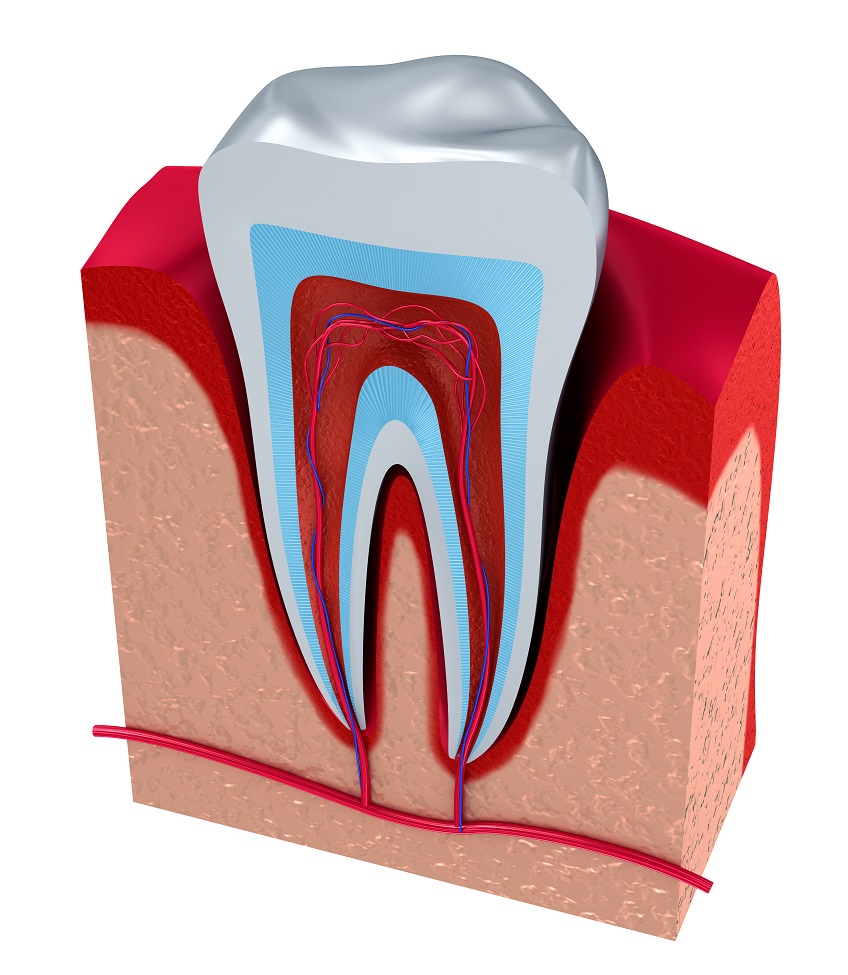
What to Know About Endodontics
The point of endodontic treatment, or root canal treatment , is to address a tooth infection that has become so severe, the nerves and soft tissues of the tooth have been affected by it. This tissues rest in the pulp chamber, which lies at the center of the tooth’s main, most dense structure (dentin).
Read More

2 Holistic Ways to Treat Your Smile
Holistic simply means taking the entirety of your health and wellbeing into account when designing your appropriate dental treatment. At our office, it’s a guiding principle in caring for every one of our patients, and while it takes many forms, the two most common are reconstructive and oral surgery procedures.
Read More
How Do You Prevent Things Like Cavities?
It’s a well-known secret that the best treatment for any dental health issues is prevention. Even widely common conditions like cavities (the most frequently occurring issue) can be successfully prevented with the right hygiene and preventive care measures.
Read More

What Happens When Gingivitis Develops?
Gingivitis and cavities are two of the most well-known dental conditions, and for good reason – they’re also the two most frequently occurring dental health issues. In the case of gingivitis, however, there is much about the condition that patients don’t know or realize, even if they do have an existing case of it.
Read More
When Dentistry Goes Green
Advanced technology has always played a role in dentistry’s advancement, and today, it has changed much of how modern practices operate. Everything from administrative processes to diagnostic and treatment results have become more precise, streamlined, and efficient than ever before.
Read More

Do Implants Make Your New Teeth Look Better?
When it comes to replacing missing teeth, dental implants offer the only solution for replacing their roots. As such, implant-supported prostheses offer a large number of benefits that traditional bridges and dentures can’t provide.
Read More

3 Important Factors in Your Smile’s Appearance
Wanting a more attractive smile is common. After all, besides your eyes, your smile is one of your face’s most dominant features.
Read More

What Could Porcelain Veneers Do for Your Smile?
Whitening teeth stains to brighten your smile is one thing, but when your teeth have more than just stains to contend with, improving your smile can seem more complicated. Stains are just blemishes on the surfaces of your teeth (usually), but things like chipped edges, odd spaces, minor alignment issues, and more can require more direct cosmetic improvement.
Read More
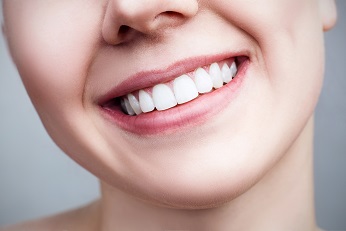
Can Fixing a Gummy Smile Improve Your Oral Health?
Your gums may not seem like a significant part of your smile’s appearance, unless they’re uneven and cover too much of your tooth structure in some places. Known as a gummy smile, excessive gum tissues create an asymmetrical gum line that can make some teeth seem smaller than others and your whole smile seem off balance.
Read More